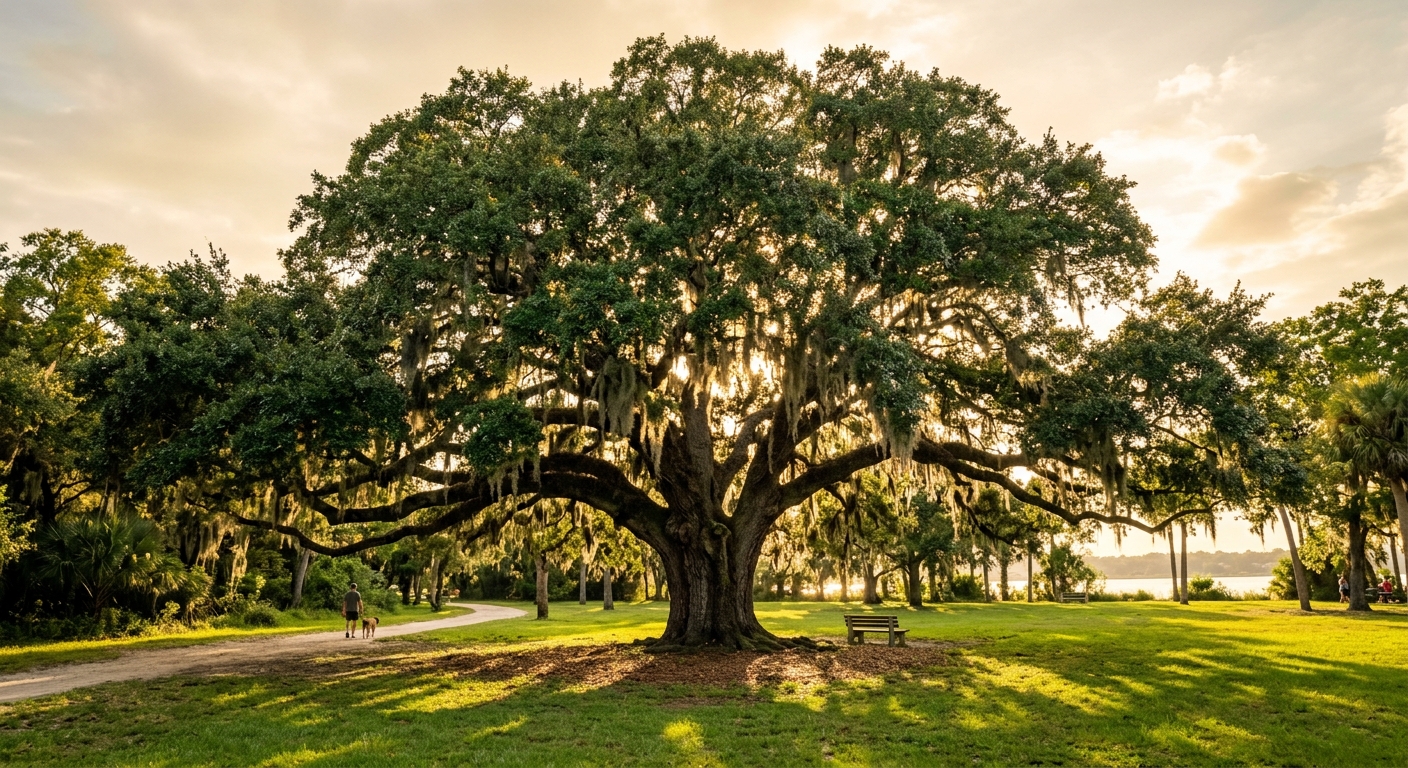
Tree health maintenance Jacksonville Florida is the foundation of protecting your property investment and preserving the mature trees that define Jacksonville's landscape. Our comprehensive tree care programs combine certified arborist expertise with deep knowledge of North Florida's unique climate challenges — from subtropical humidity and hurricane-season winds to acidic sandy soil and invasive pest threats. Whether you own a historic Riverside property shaded by century-old live oaks or manage commercial landscapes in Southside, Mandarin, or Arlington, proactive tree health maintenance prevents costly emergency removals, reduces storm damage risk, and keeps your trees thriving year after year.
What Tree Health Maintenance Jacksonville Florida Includes
Tree health maintenance Jacksonville Florida encompasses a full spectrum of services designed to address both visible canopy issues and hidden threats below ground. Unlike one-time pruning jobs, comprehensive maintenance programs take a whole-tree approach — evaluating structural integrity, monitoring for disease, managing soil health, and scheduling interventions based on Jacksonville's seasonal windows. This preventive strategy protects property value, extends tree lifespan, and dramatically reduces the likelihood of failure during severe weather.
Structural Pruning & Canopy Thinning for Storm Resistance
Structural pruning removes deadwood, corrects weak branch unions, and balances canopy weight to prevent wind damage during tropical storms. Canopy thinning reduces wind sail by selectively removing interior growth while preserving the tree's natural shape — a critical step for Jacksonville properties facing June-through-November hurricane season. ISA Certified Arborist teams use proper pruning cuts that promote compartmentalization, allowing trees to seal wounds and resist decay entry. Crown reduction techniques lower overall height on trees near structures or power lines without resorting to harmful topping practices.
- Deadwood removal eliminates brittle branches that become projectiles in high winds
- Co-dominant stem correction prevents splitting failures at weak unions
- End-weight reduction minimizes leverage on extended limbs over roofs and vehicles
- Clearance pruning maintains safe distances from buildings and utility lines
- Natural target pruning preserves branch collar integrity for faster wound closure
Proper structural pruning during the dormant season prepares your trees for the challenges ahead. Schedule your assessment today at (904) 634-3474 to reduce storm risk before the next tropical system forms.
Disease Treatment & Pest Management for North Florida Species
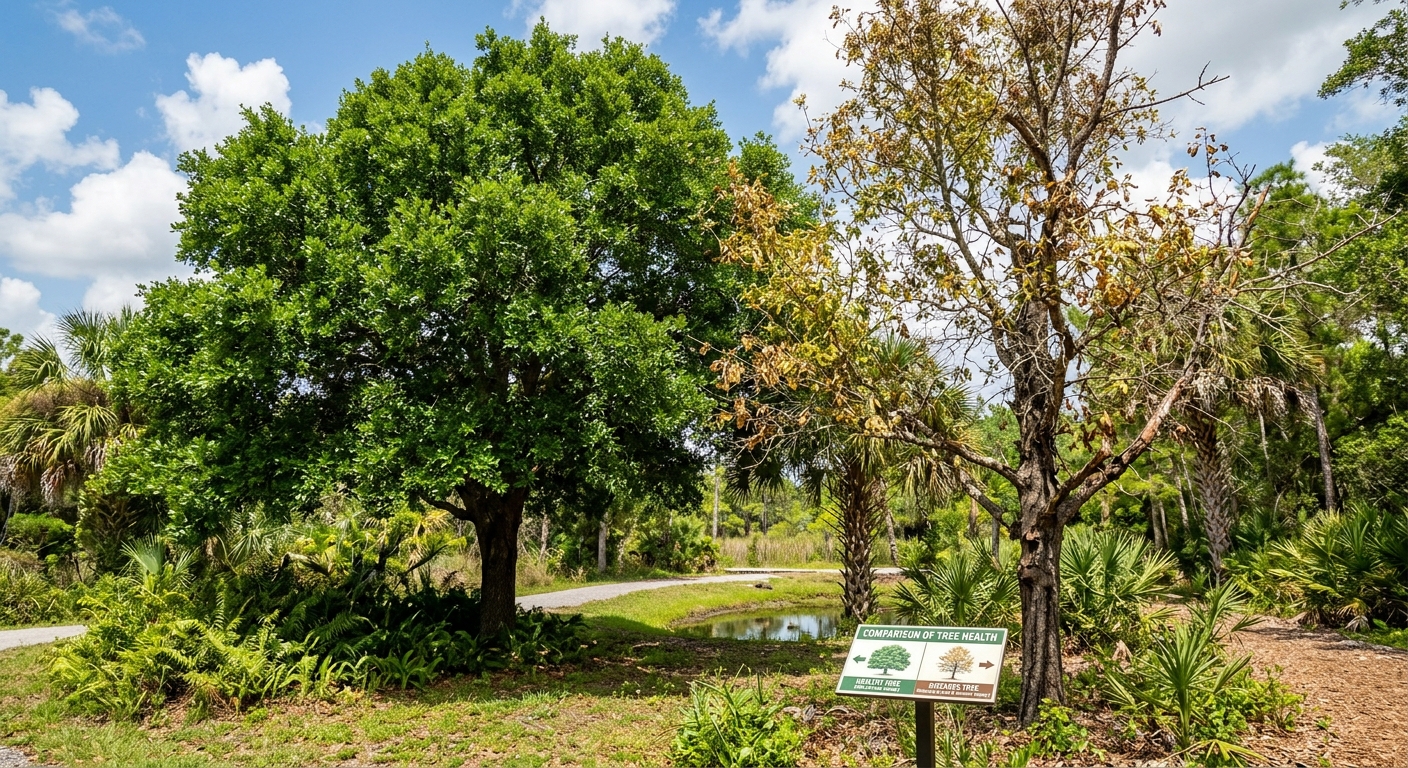
Jacksonville's warm, humid climate creates ideal conditions for fungal pathogens, bacterial infections, and invasive pests that threaten common landscape species. Our disease treatment programs identify early symptoms of laurel wilt (devastating redbuds and avocados), lethal bronzing (rapidly killing Sabal palms), oak wilt, pine bark beetles, and root rot complexes. Treatment protocols include targeted fungicide applications during specific windows, soil drenches for systemic uptake, and sanitation practices to prevent pathogen spread between trees.
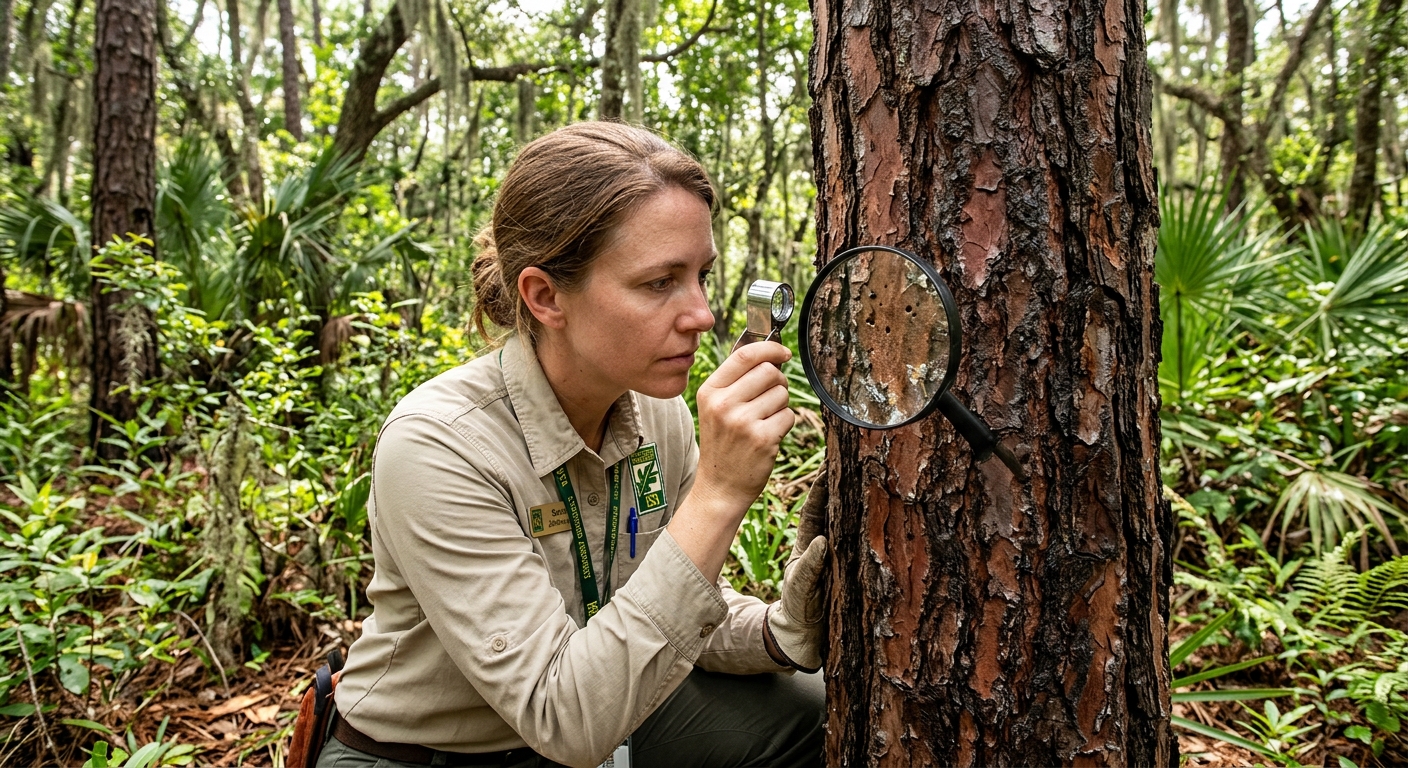
- Visual inspections detect canker lesions, leaf discoloration, and dieback patterns before trees decline
- Laboratory diagnostics confirm fungal pathogen species and guide treatment selection
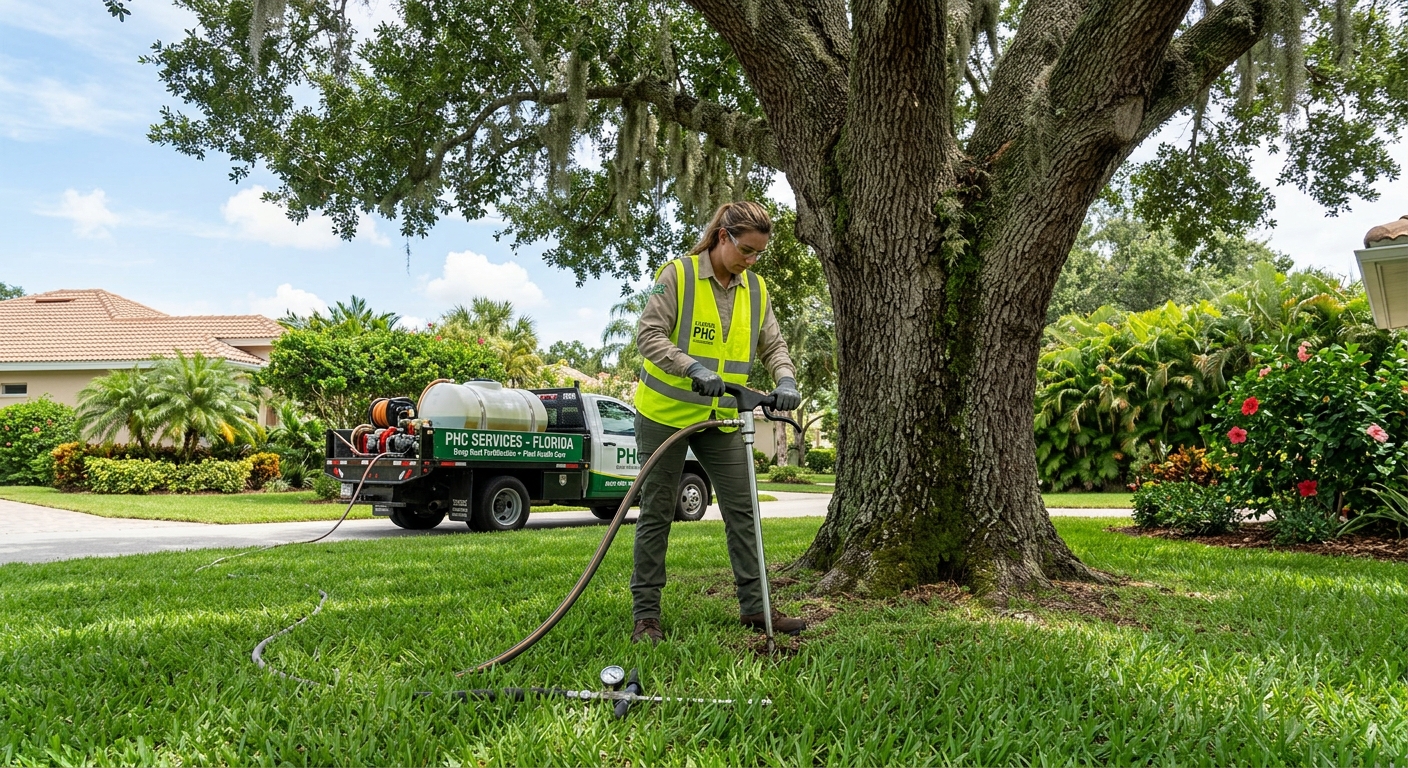
- Injection treatments deliver systemic pesticides directly into vascular tissue
- Sanitation protocols prevent disease transmission through contaminated tools and debris
- Monitoring schedules track treatment effectiveness and detect secondary infections
Root Zone Care & Soil Improvement in Sandy Soil Conditions
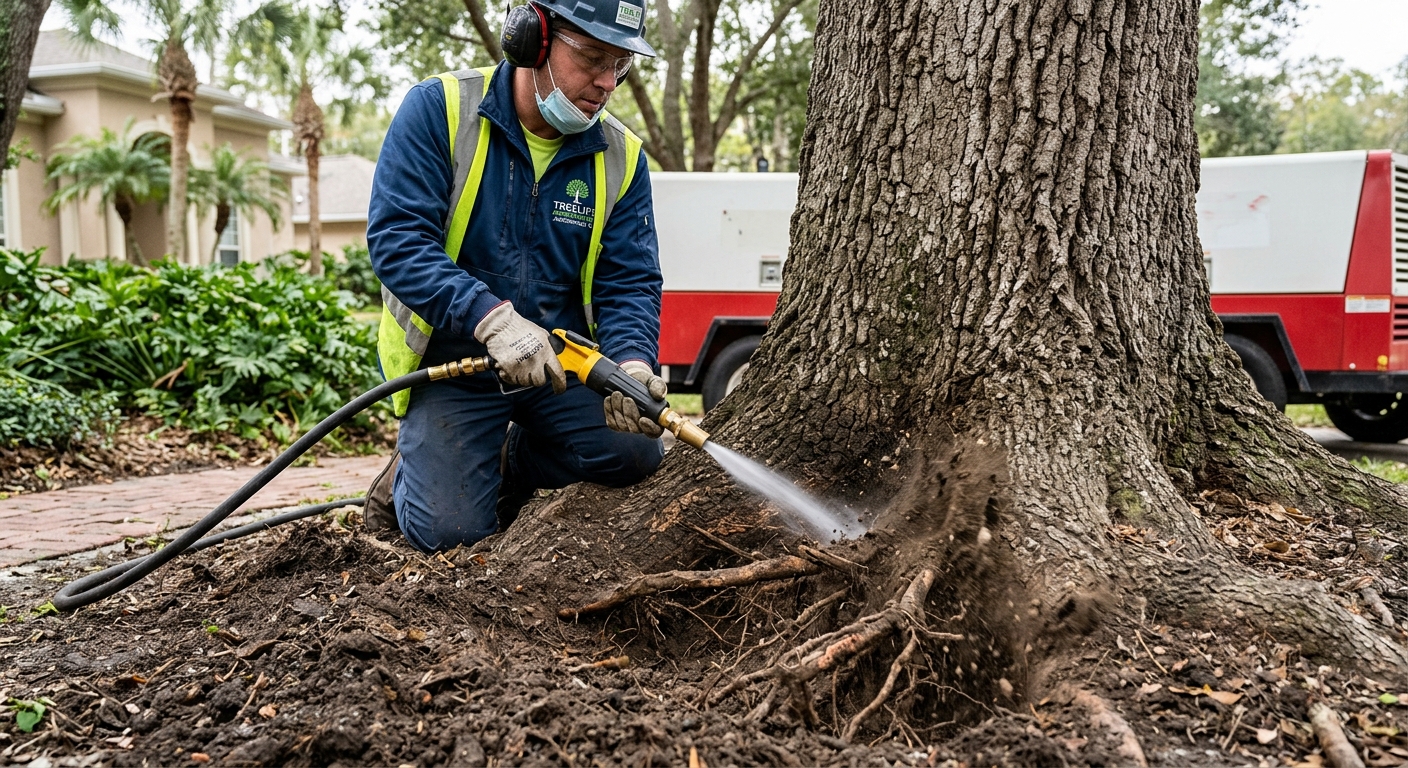
Jacksonville's acidic sandy soil drains rapidly, leaching nutrients and creating deficiencies that weaken trees over time. Root zone care addresses these challenges through soil testing, targeted amendment applications, and protection of the critical root zone from compaction damage. The critical root zone extends approximately 1 to 1.5 feet of radius per inch of trunk diameter — this area contains the feeder roots responsible for water and nutrient uptake. Soil compaction from construction equipment, vehicle traffic, or heavy foot traffic crushes these roots and causes slow decline that may not become visible for years.
- Soil testing reveals pH levels, nutrient deficiencies, and organic matter content
- Mycorrhizal treatments establish beneficial fungal networks that improve nutrient absorption
- Vertical mulching breaks up compacted soil and increases oxygen penetration to roots
- Proper mulching (2-4 inch depth, 6 inches from trunk) conserves moisture and moderates soil temperature
- Root invigoration techniques stimulate new feeder root growth in damaged zones
Preventive root zone management protects trees from the number one cause of mature tree decline in urban Jacksonville settings. Soil compaction and construction damage account for the majority of long-term health problems — most occurring invisibly until trees begin showing canopy symptoms.
Health Assessments & Tree Risk Evaluation (TRAQ Certification)
Professional tree risk assessment uses the TRAQ (Tree Risk Assessment Qualification) standardized system to evaluate likelihood of failure, size of defective parts, and potential targets. TRAQ-certified arborists assign risk ratings from low to extreme based on observable defects, decay indicators, and environmental factors. Trees rated high or extreme risk require mitigation within 30 to 90 days to prevent property damage or personal injury. Health assessments document baseline condition, track changes over time, and create prioritized maintenance schedules tailored to your property's specific needs.
- Visual inspections identify cracks, cavities, fungal fruiting bodies, and lean conditions
- Resistograph testing measures interior wood density to detect hidden decay
- Root collar excavation reveals girdling roots and below-grade structural issues
- Documentation includes photographs, measurements, and recommended intervention timelines
- Follow-up assessments track treatment effectiveness and changing risk levels
Jacksonville's Tree Health Challenges: Climate & Soil Factors
Jacksonville's location in USDA Zone 9a creates a unique combination of stressors that don't occur together in other regions. The subtropical climate brings high humidity, intense summer heat, and hurricane-season wind exposure — all while trees grow in nutrient-poor sandy soil with acidic pH levels. Understanding these regional challenges is essential to maintaining tree health long-term, as treatments that work in other climates may fail or cause harm in North Florida conditions.
Subtropical Humidity & Fungal Disease Prevention
Jacksonville's year-round humidity levels above 70% create perfect conditions for fungal pathogen growth on leaves, bark, and roots. Anthracnose, powdery mildew, sooty mold, and various root rot complexes thrive when moisture remains on plant surfaces for extended periods. Preventive strategies include increasing air circulation through canopy thinning, avoiding overhead irrigation that wets foliage, and applying fungicide treatments during critical infection windows in spring and fall. Dense canopies trap moisture and reduce sunlight penetration — conditions that accelerate fungal colonization and weaken trees over time.
Hurricane-Season Wind Damage & Canopy Load Management
Tropical storms and hurricanes bring sustained winds of 40-75 mph and gusts exceeding 100 mph during peak season from June through November. Canopy load management reduces the total weight of foliage and branch mass, lowering the leverage forces that cause trunk failures and major limb breakage. Trees with heavy, dense canopies act like sails — catching wind and transferring massive forces to root systems and structural attachment points. Annual thinning before hurricane season dramatically reduces damage potential while maintaining tree health and appearance.
Acidic Sandy Soil & Nutrient Deficiency Correction
Jacksonville soils typically measure pH 5.0-6.0, creating acidic conditions that limit nutrient availability even when minerals are present. Iron chlorosis (yellowing leaves with green veins) appears frequently in oaks, maples, and citrus due to iron lockout at low pH levels. Nitrogen leaches rapidly through sandy soil, requiring more frequent applications than clay-based soils in other regions. Phosphorus and potassium deficiencies manifest as poor growth rates, weak branch development, and increased susceptibility to pest damage. Soil amendment programs correct pH imbalances and replace depleted nutrients through targeted fertilization schedules.
Laurel Wilt, Lethal Bronzing & Local Pest Threats
Laurel wilt disease has devastated redbud and avocado trees throughout North Florida, spread by the redbud ambrosia beetle carrying a fungal pathogen that blocks water transport. Once symptoms appear (wilting leaves, vascular discoloration), the disease progresses rapidly — often killing trees within weeks. Lethal bronzing (formerly Texas Phoenix Palm Decline) affects Sabal palms and other species, transmitted by planthopper insects and currently spreading through Jacksonville. Pine bark beetles attack stressed pines during drought periods, creating galleries under bark that girdle trees. Early detection and rapid response are the only effective strategies — infected trees must be removed and destroyed before vectors spread pathogens to healthy specimens.
Seasonal Tree Maintenance Calendar for Jacksonville
Timing is critical for tree maintenance in Jacksonville because certain operations must occur during specific seasonal windows to avoid harm. Pruning wounds create entry points for disease when made at the wrong time, while treatments applied outside optimal windows fail to provide protection. A structured seasonal calendar ensures every intervention happens when trees can best respond and when pest vectors are inactive.
Winter Dormancy Pruning (December–February) — Best Time for Oaks
Live oaks and other oak species require pruning only during dormant season when nitidulid beetles are inactive. These sap beetles carry oak wilt fungus and are attracted to fresh pruning wounds during warm months. Pruning oaks between March and November creates infection risk that can kill mature trees within a single growing season. Winter pruning also allows trees to compartmentalize wounds before spring growth begins, reducing decay entry and improving wound closure rates. Other deciduous species benefit from dormant pruning as well — energy reserves stay in the root system rather than being lost with removed foliage.
Spring Growth & Disease Monitoring Windows
Spring brings active growth and increased vulnerability to disease infection as new leaves emerge and environmental conditions favor pathogen reproduction. Disease monitoring during April and May detects early symptoms when treatment interventions are most effective. Fungicide applications prevent infection rather than curing established disease — timing must precede symptom development. Root zone care and soil amendments applied in early spring support the upcoming growing season, while slow-release fertilizers provide nutrients throughout the active period without promoting excessive soft growth vulnerable to storm damage.
Summer Heat Stress & Irrigation Management
Jacksonville summers combine intense heat (90°F+), high humidity, and irregular rainfall that stresses trees despite abundant moisture in the air. Irrigation management becomes critical during dry spells when root zones lack adequate water. Deep watering to 12-18 inch depth encourages deep root development, while frequent shallow watering creates surface roots vulnerable to drought and mechanical damage. Mulch layers conserve soil moisture and reduce irrigation needs by 35%, moderating temperature extremes in the root zone. Heat stress symptoms include leaf scorch, premature leaf drop, and reduced growth — all indicators that irrigation schedules need adjustment.
Fall Hurricane Prep & Structural Reinforcement
Late summer and fall require structural reinforcement for trees identified as high-risk during spring assessments. Cabling and bracing installations provide supplemental support for weak branch unions, co-dominant stems, and extended limbs over critical targets. These systems don't prevent all failures but significantly reduce breakage likelihood during high-wind events. Pre-storm canopy inspections identify deadwood and weak attachments that require removal before tropical systems arrive. Property managers should complete structural work by August, allowing installations to settle before peak hurricane activity in September and October.
When to Call a Certified Arborist vs DIY Tree Care
Understanding the boundary between homeowner maintenance and professional arborist services protects both you and your trees. Some tasks are safe and effective when performed by property owners with basic knowledge, while others create serious safety hazards or cause permanent tree damage when attempted without proper training and equipment. The ISA Certified Arborist credential indicates verified knowledge of tree biology, proper pruning techniques, and safety protocols — a critical distinction in an industry with minimal licensing requirements.
What Homeowners Can Do: Mulching, Watering & Visual Inspections
Homeowners can safely perform ground-level maintenance tasks that don't require climbing, power equipment, or technical diagnosis. Proper mulching creates a protective layer around root zones — apply 2 to 4 inches of organic mulch in a donut shape, keeping material 6 inches away from the trunk to prevent bark rot. Regular watering during dry periods keeps trees healthy, focusing on deep soaking rather than frequent shallow applications. Visual inspections from the ground detect obvious problems: dead branches, leaf discoloration, fungal fruiting bodies on trunks, cracks in major limbs, and changes in canopy density. Document observations with photographs and dates, then contact professionals when you notice concerning changes.
Why Professional Assessment Prevents Hidden Decay & Root Damage
Most serious tree failures result from internal decay and root system damage invisible during casual observation. Certified arborists use specialized tools and training to detect problems before they become hazardous: resistograph testing measures interior wood density, root collar excavation reveals girdling roots and decay at the trunk base, and increment boring samples interior wood for laboratory analysis. Trees often appear healthy from the outside while advanced decay hollows the trunk or major roots fail underground. A single professional assessment costs a fraction of emergency removal or property damage — an investment that frequently saves thousands when hidden problems are discovered early.
ISA Certified Arborist vs Uncertified Tree Trimmers — What Credentials Mean
The ISA Certified Arborist credential requires passing a comprehensive exam covering tree biology, diagnosis, pruning standards, and safety practices, plus documented experience and continuing education to maintain certification. TRAQ certification adds specialized training in risk assessment methodology and failure prediction. These credentials separate qualified professionals from unlicensed tree trimmers who may lack knowledge of proper pruning cuts, species-specific requirements, and disease transmission prevention. Verify credentials online through the ISA website before hiring — legitimate certified arborists provide certification numbers and welcome verification. Uncertified services often damage trees through topping, flush cuts, and over-pruning that creates long-term decline.
Liability Insurance & Safety Standards That Protect Your Property
Tree work creates significant liability exposure — falling limbs damage structures, equipment strikes underground utilities, and climbing accidents occur even with experienced crews. Legitimate tree service companies carry general liability insurance (minimum $1 million coverage) and workers' compensation for all employees. Request certificates of insurance before work begins and verify coverage directly with insurance carriers. Homeowners become liable for injuries to uninsured workers on their property — a risk that can result in devastating financial consequences. Safety standards include proper personal protective equipment, aerial lift certifications, chainsaw training, and utility line clearance protocols. Professional companies follow ANSI A300 standards for tree care operations and OSHA requirements for workplace safety.
Common Tree Health Problems Jacksonville Homeowners Miss
Many tree health problems progress for years before producing visible symptoms in the canopy. By the time homeowners notice issues, damage may be irreversible or require costly interventions. Understanding what to look for — and what gets overlooked — helps property owners catch problems during early stages when treatment is most effective and affordable.
Early Warning Signs of Root Rot & Interior Decay
Root rot develops underground where casual observation can't detect it, spreading through root systems for years before affecting canopy health. Early warning signs include fungal fruiting bodies (mushrooms or conks) growing at the trunk base, soil subsidence around roots, and reduced annual growth despite adequate water and nutrients. Interior decay often begins at old pruning wounds or injury sites, progressing inward while outer wood remains sound. Trees may appear healthy until decay reaches critical thresholds — then fail suddenly during storms or under normal wind loads. Arborist inspections detect decay through sounding (tapping trunks to identify hollow areas), resistograph drilling, and visual assessment of wound closure patterns. Catching decay early allows for load reduction, cabling, or controlled removal before failure occurs.
Why Topping Trees Causes Permanent Damage & Decline
Topping (removing major portions of the canopy by cutting branches to stubs) is the most harmful tree practice still performed by unqualified services. Topped trees respond by producing rapid, weakly attached shoots from dormant buds — creating dense clusters of branches with poor structure that break easily during storms. Topping removes energy-producing foliage before the tree can store reserves, causing starvation stress. Large topping cuts rarely close, creating permanent decay entry points that spread through the trunk over time. Trees never recover their natural form after topping — the damage is permanent and progressive. Proper crown reduction achieves height management goals without harmful stub cuts, preserving tree health
Frequently Asked Questions
How much does tree health maintenance cost in Jacksonville, Florida?
Tree health maintenance in Jacksonville typically ranges from $150 to $500 per visit, depending on tree size, number of trees, and specific treatments needed. Basic inspections and pruning start around $150, while comprehensive care including disease treatment, deep root fertilization, and pest management can reach $500 or more. Most Jacksonville tree service providers offer free consultations to assess your trees and provide accurate estimates based on their condition and your property's specific needs.
How often should I have my trees inspected in Jacksonville?
Jacksonville trees should be professionally inspected at least twice yearly—once in early spring before active growth and again in late fall after hurricane season. Florida's subtropical climate, intense summer storms, and pest pressure make regular monitoring essential. Trees near structures, older specimens, or those showing stress signs may need quarterly inspections. These checkups identify disease, structural weaknesses, and storm damage early, preventing costly emergency removals and protecting your Jacksonville property investment.
What are signs my Jacksonville tree needs professional care?
Watch for dead or hanging branches, yellowing leaves during growing season, fungal growth on trunk or roots, cracks in bark, leaning posture, or sparse canopy. Jacksonville trees also show stress through premature leaf drop, excessive sap flow, or pest infestations like bagworms and scale insects. Storm damage from Florida's severe weather often creates hidden cracks and weakened limbs. If you notice any of these warning signs, schedule an inspection immediately to prevent tree failure and property damage.
Are tree service companies licensed and insured in Florida?
Legitimate tree service companies in Florida must carry general liability insurance and workers' compensation coverage. Certified arborists hold credentials from the International Society of Arboriculture, demonstrating expertise in tree biology and care. Before hiring any Jacksonville tree service, verify their insurance certificates, ask for ISA certification numbers, and check reviews. Florida law requires written contracts for services over $200. Licensed professionals protect you from liability if accidents occur and ensure work meets industry standards.
What is the difference between tree trimming and tree health maintenance?
Tree trimming focuses on removing branches for clearance, aesthetics, or safety—it addresses the canopy structure. Tree health maintenance is comprehensive care that includes soil testing, root zone management, disease diagnosis, pest treatment, strategic pruning for vitality, and nutritional supplementation. In Jacksonville's challenging climate, health maintenance addresses stress from heat, hurricanes, poor drainage, and sandy soils. While trimming is reactive, maintenance is proactive—preventing decline before visible symptoms appear and extending tree lifespan significantly.
Do you provide tree health services throughout all Jacksonville neighborhoods?
Professional tree service providers typically serve all Jacksonville areas including Riverside, Avondale, San Marco, Mandarin, Southside, Beaches communities, Arlington, and Northside neighborhoods. Service areas often extend to Jacksonville Beach, Atlantic Beach, Neptune Beach, Orange Park, and surrounding Duval County locations. Coverage may include St. Johns County communities and parts of Clay County. Most companies provide free on-site consultations throughout the greater Jacksonville metro area to assess your trees and develop customized care plans.
How long does it take to see results from tree health treatments?
Treatment response varies by tree species and problem severity. Pest treatments often show results within two to four weeks as insect populations decline. Fertilization and nutrient supplementation typically produce visible improvement in three to six months through greener foliage and increased growth. Disease treatments may take a full growing season to demonstrate recovery. In Jacksonville's year-round growing climate, trees often respond faster than in northern regions. Severe decline may require 12 to 18 months of consistent care before significant improvement appears.
Do tree health services include a warranty or guarantee?
Reputable Jacksonville tree service companies typically guarantee their workmanship for 30 to 90 days, ensuring pruning cuts heal properly and treatments are applied correctly. However, tree survival cannot be guaranteed due to variables like weather, soil conditions, and pre-existing damage. Many providers offer treatment plans with follow-up visits included, monitoring progress over several months. Disease and pest treatments often include re-treatment clauses if problems persist. Always request warranty details in writing before services begin to understand what is covered.
Tree Health Care in Jacksonville FL